For many Dayak communities, the forest is part of their everyday life. It’s where people farm, gather food and medicine, build homes, and pass down knowledge for the next generation. But over the past few decades, that relationship has been changing.
Growing up in Central Kalimantan, Randi Mirana Julian saw the forests they knew became threatened by logging, mining, and plantations. The changes affected both the environment and the communities’ livelihoods. People lose access to land they depended on for generations, rivers become polluted, and traditional knowledge becomes harder to pass down as younger generations spend less time in the forest. This experience became the starting point of HANDEP.
Today, HANDEP works with Dayak artisans to create handcrafted fashion accessories from rattan. For generations, rattan has been woven into many aspects of Dayak life. It’s used in houses, farming tools, rituals, and everyday household items. Unlike many crops, rattan can only thrive in healthy and diverse forests. Protecting rattan, therefore, also means protecting the forest itself. More than that, having grown up with their rattan-farmer grandparents, rattan also has a special place in Randi’s life.

As someone from the Dayak community themself, Randi understands that each community has its own traditions, knowledge, and ways of working. HANDEP’s approach is based on preserving these skills while creating opportunities for artisans to bring their craft to wider markets.
This thinking also influences how HANDEP approaches the market. In Indonesia, handmade products are often expected to be affordable, which can make it difficult for artisans to earn a sustainable income. HANDEP chose a different path by focusing on quality and value. “True empowerment isn’t just opening up jobs. It’s creating jobs that treat people with dignity and pride,” Randi explained.
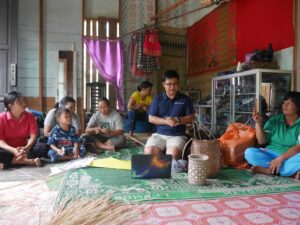
In the early years, Randi found it difficult when artisans who had worked with HANDEP started selling to other buyers or starting businesses of their own. It felt like HANDEP was losing people. In retrospect, they realised that this was actually a sign that the Indigenous craft community was growing and HANDEP was helping build the ecosystem.
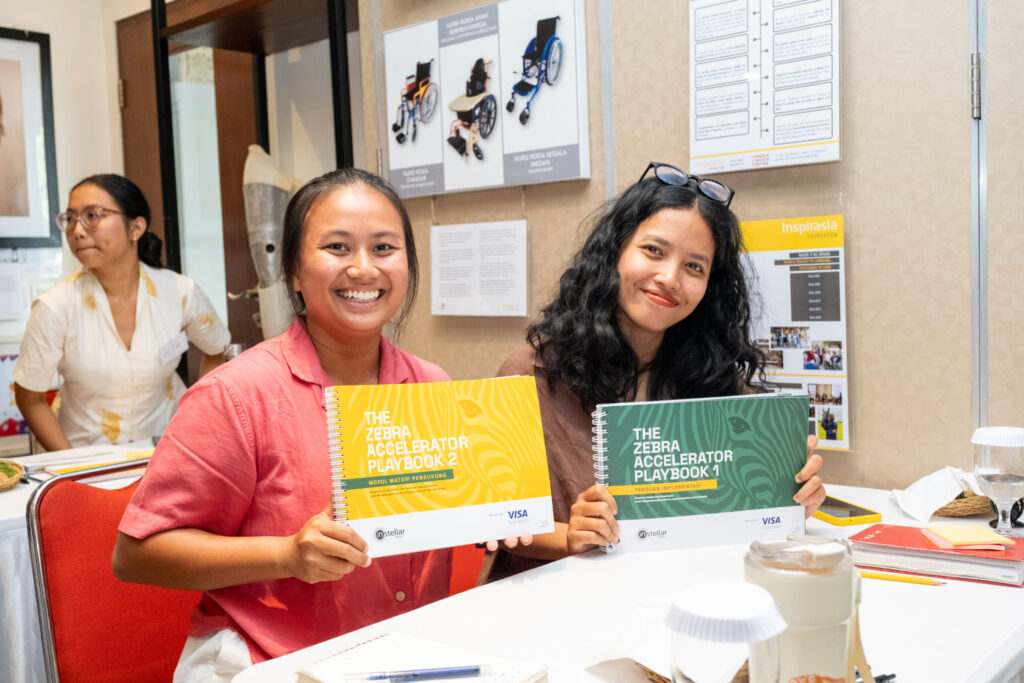
Randi also had another realization when he participated in the leadership training of the I-SEA (Instellar & IKEA Social Entrepreneurship Accelerator) program. Much of his attention so far had always been on supporting communities, but they realized that lasting impact also depends on the people inside the organization. Building a healthier team and investing in leadership have become just as important as growing the business itself.
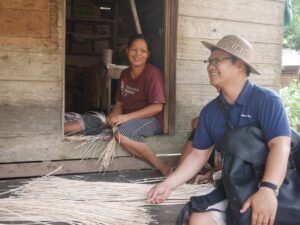
Looking ahead, HANDEP plans to work with more Indigenous communities across Indonesia and explore other natural fibres beyond rattan. Kalimantan and Dayak heritage will remain at its core, but HANDEP aspires to become a home for Indigenous craft from across the archipelago.