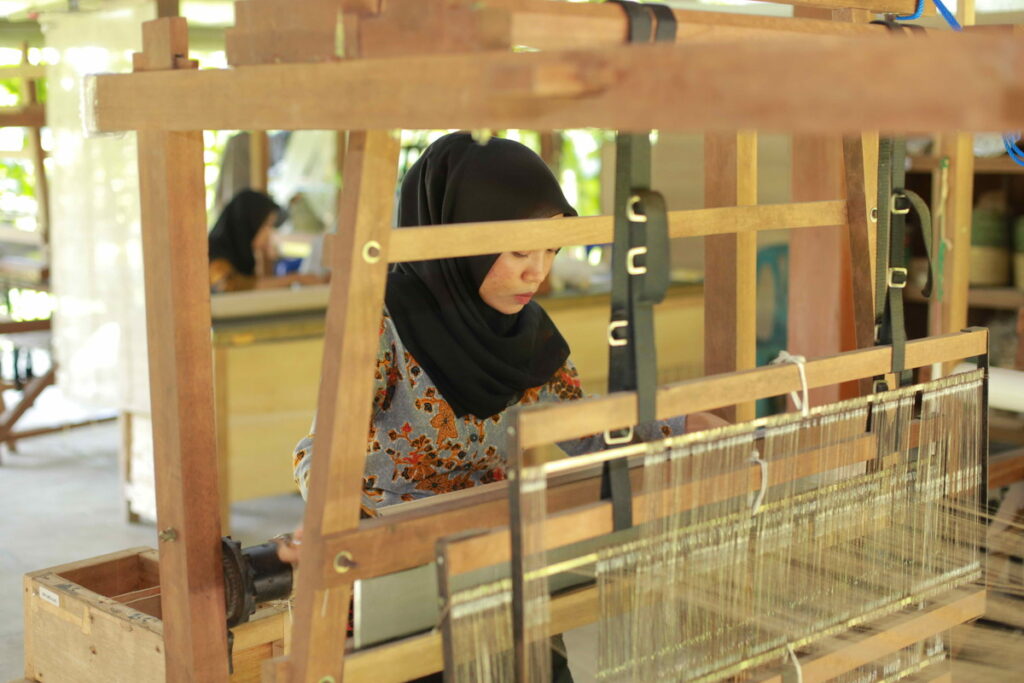
Before building Rumah Tenun Magelang, Relly Saryanto’s family business had already spent years producing woven products for other brands, mainly for export. The products reached customers overseas, but not under an Indonesian name. That eventually became the reason RTM was established.
While RTM is a new brand, the thinking behind it had been there for years. The family business had always believed that Indonesian weaving skills should be passed on.
That idea still guides the brand to this day. RTM’s products have changed over the years, from fashion accessories to home décor made from different natural fibres, but the goal of making sure the weaving skills continue to be practised remains the same. What changed over time was how they understood the impact of their work.
For years, RTM never thought much about “social impact.” They worked with local communities, created jobs for home-based workers, and trained people with no previous weaving experience. But they never described those efforts as social impact. At the time, these decisions were simply part of their operations.
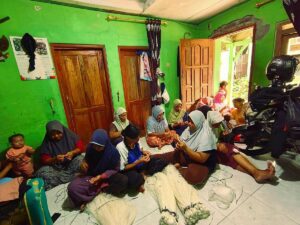
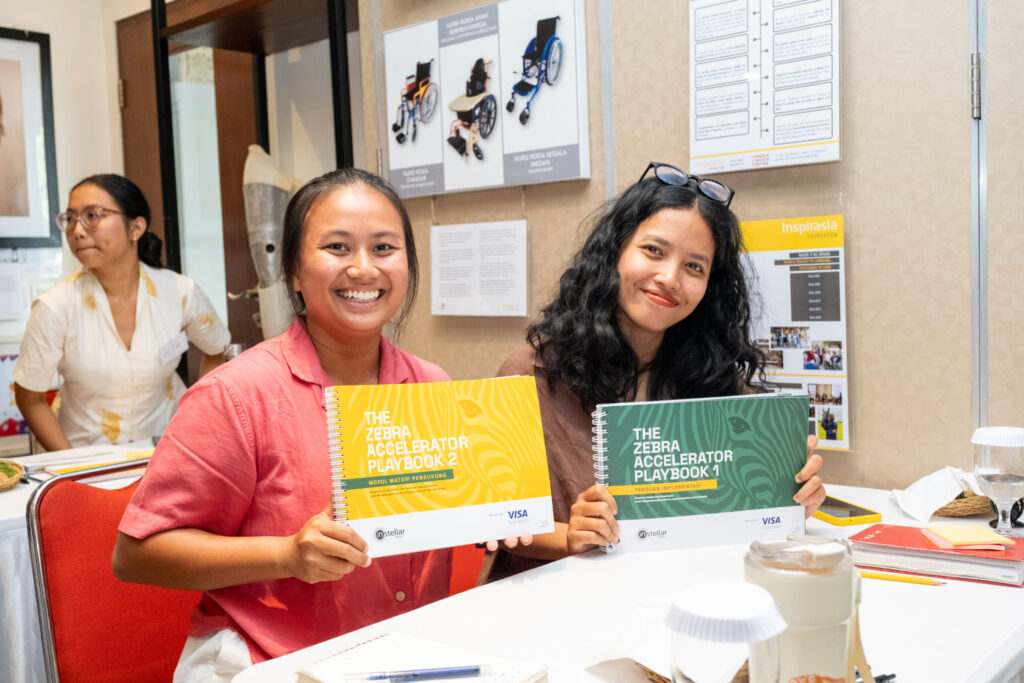
It wasn’t until later that they began to look at the business differently. Through the I-SEA (Instellar & IKEA Social Entrepreneurship Accelerator) program, they started mapping their impact more intentionally. They also started looking at growth in a different way. They realized that as they expand their business, so do the opportunities it can create for workers, artisans, and others across its value chain.
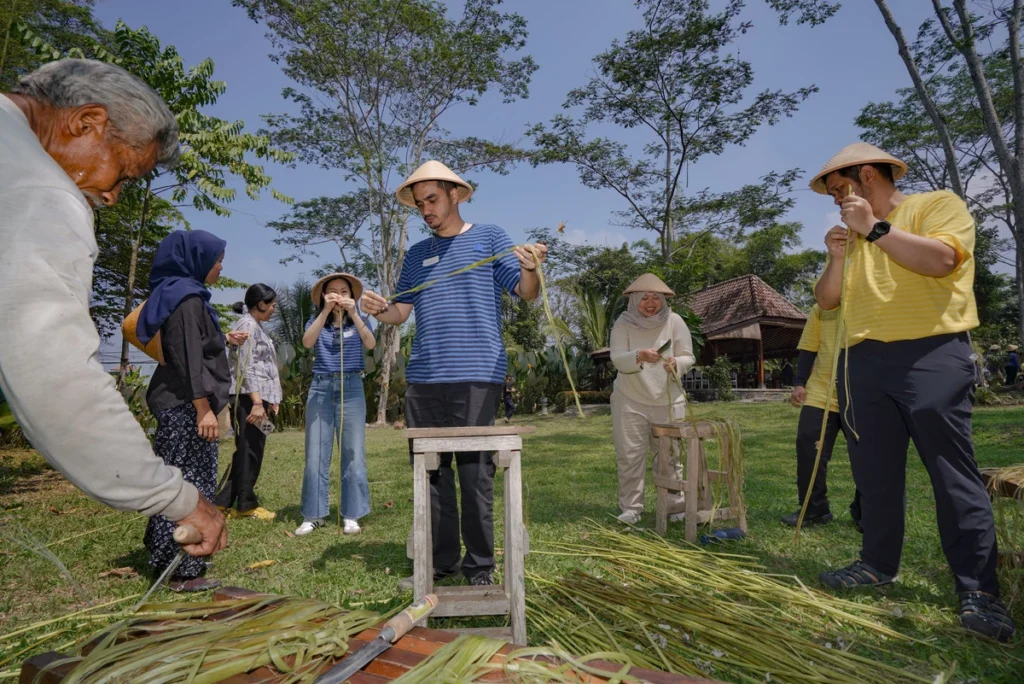
Building the business hasn’t always been easy. Unlike regions known for traditional weaving, Magelang didn’t have that many weavers, so RTM had to train many of its employees from scratch; learning weaving techniques, processing natural fibres, meeting production and quality standards. The process takes time, but it has also created opportunities for people.
Relly, who co-leads Rumah Tenun Magelang with his husband Riffatka Ridwan, recalled one home-based worker who had struggled with debt from a loan shark. With the income she earned from RTM, she was eventually able to repay her debt and support her child’s education.
Looking ahead, RTM hopes to bring its woven products to more markets across Asia while continuing to explore new possibilities with natural fibres. For them, growing RTM now also means creating more opportunities for the people who are part of the journey.