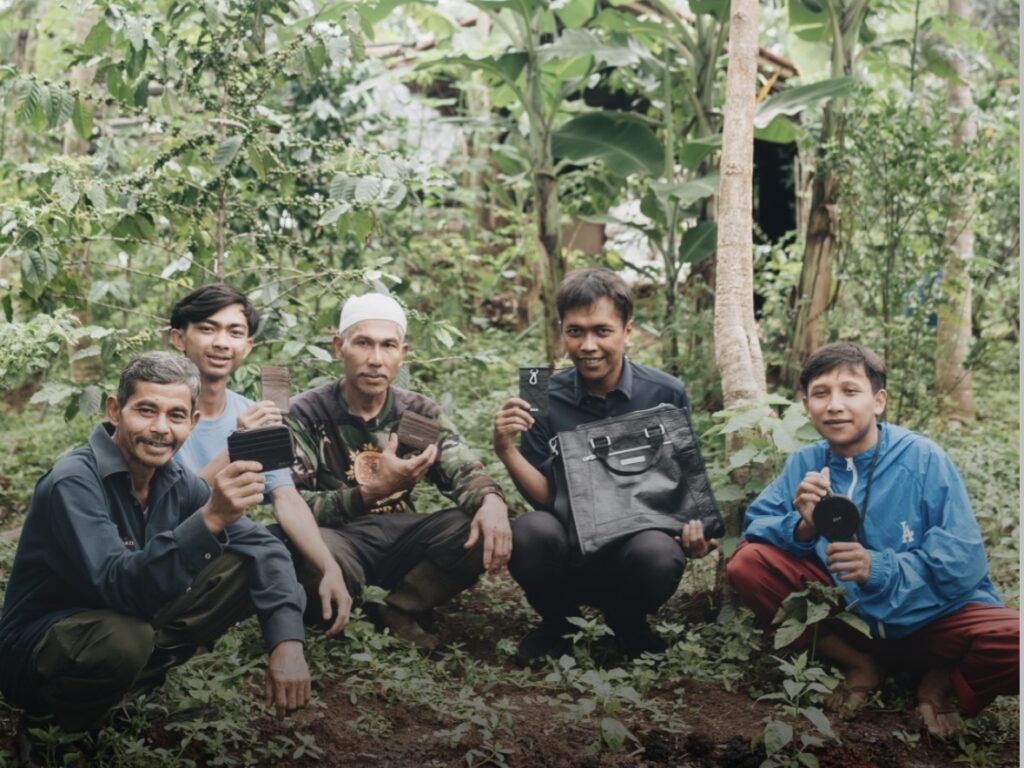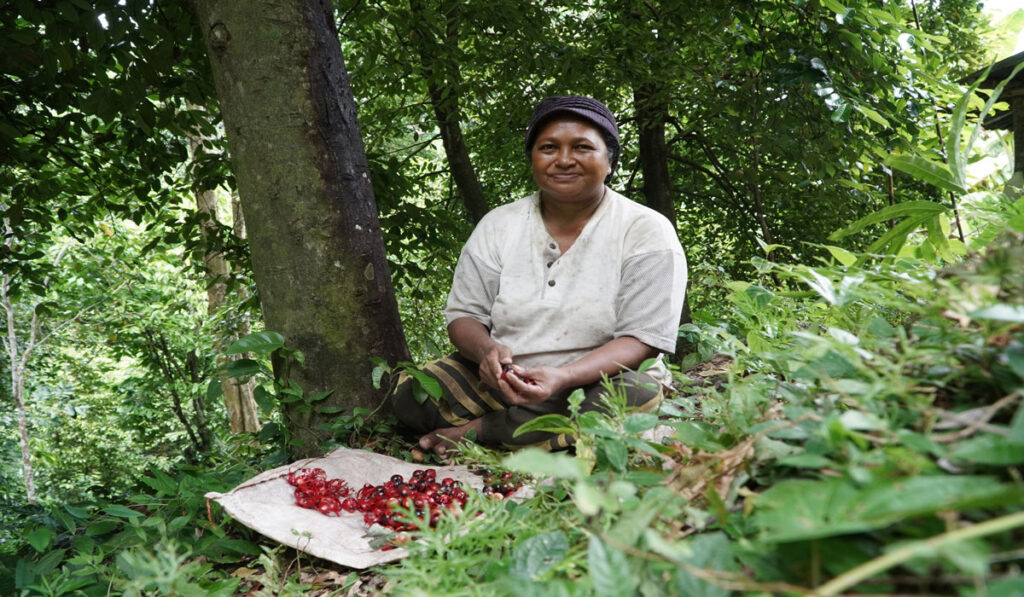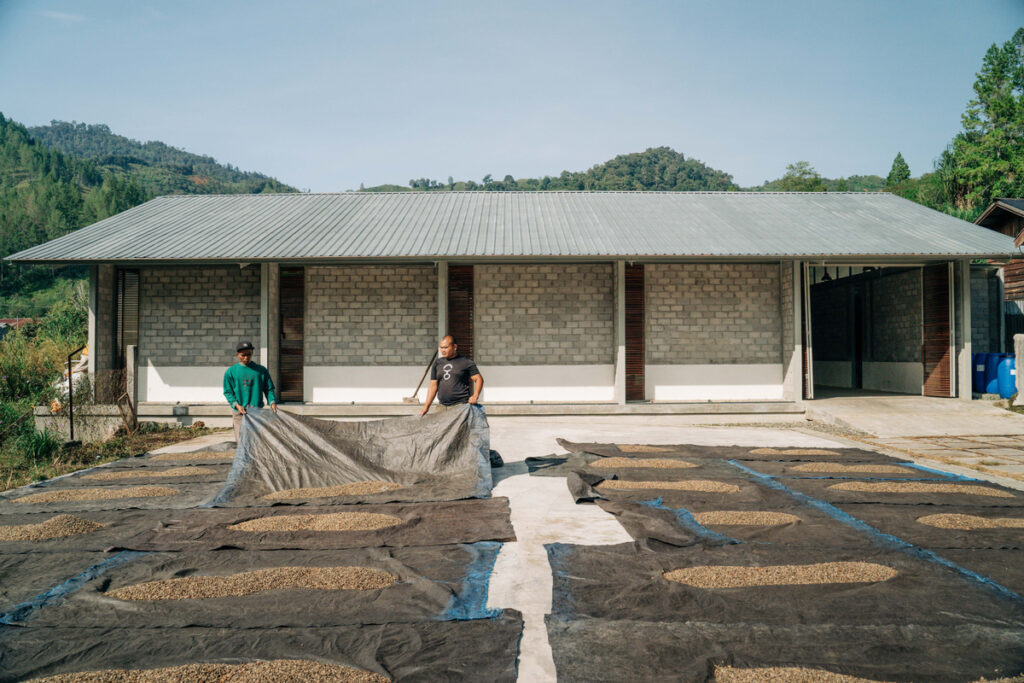
Many smallholder farmers work hard to grow crops, yet that effort does not always lead to a better livelihood. Through regenerative organic trade, Aliet Green is helping women and farming communities access fairer markets, more stable incomes, and opportunities that extend far beyond the farm.
For the people who grow agricultural ingredients, the hardest part is often not producing them—it is finding a market that truly values them. Too often, smallholder farmers, especially women and marginalized communities, remain at the end of a supply chain where incomes are uncertain, bargaining power is limited, and the value of their work is rarely reflected in what they earn.
Aliet Green was founded by Lastiana Yuliandari to help change that. As a women-led social enterprise, they believe creating impact begins long before a product reaches consumers. It starts by ensuring farmers have access to markets that recognize the value of what they produce and reward them fairly for it. “Market access is at the heart of what we do. When farmers have long-term buyers and fair opportunities, they can build more stable livelihoods—not just for today, but for the future,” explained Lasti.
That belief shapes the way Aliet Green works with farming communities. Rather than simply buying coconut sugar, they help farmers build the foundations needed to reach premium international markets through regenerative organic farming, certification, fair trade, and digital traceability. These are not just technical requirements for export—they are tools that help farmers increase the value of their products while protecting the land they depend on.
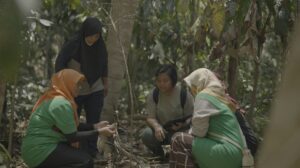
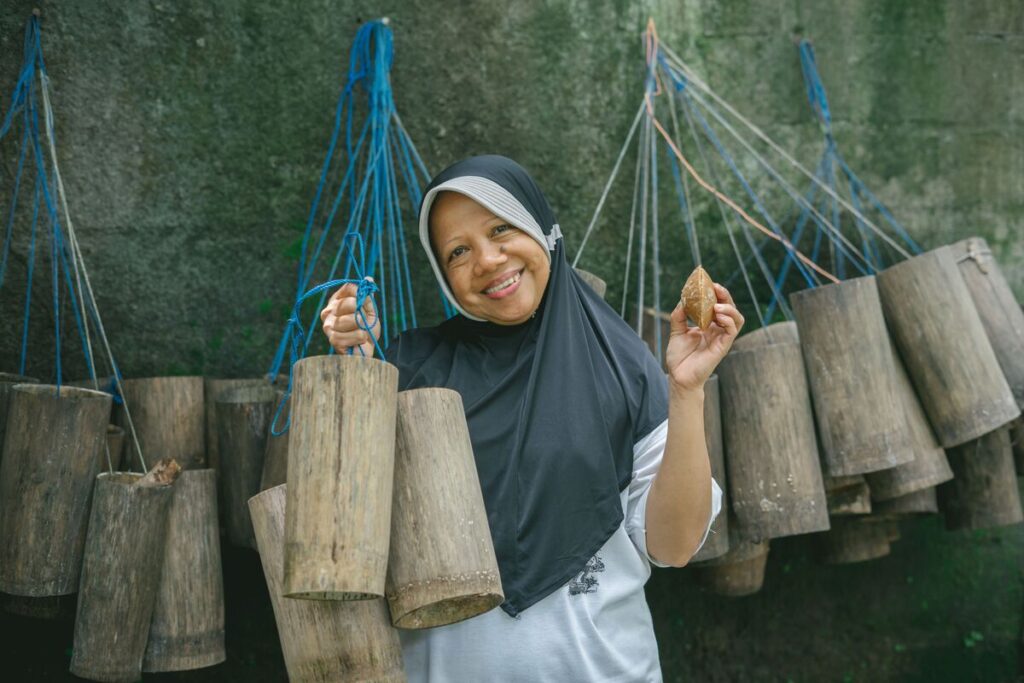
For many farming families in Java, coconut sugar has long been more than a commodity. Harvested twice a day, it provides a steady source of income that supports daily household needs, unlike coconuts that can only be harvested every few months. Combined with regenerative farming practices, Aliet Green believes this long-standing tradition can continue creating economic opportunities while caring for the environment at the same time. “Regenerative farming, certification, and fair trade all have one goal: helping farmers create products that can reach better markets and improve their livelihoods,” Lasti added.

Women are an equally important part of that journey. Across both farming communities and Aliet Green’s production facilities, the team intentionally creates opportunities for women, including single mothers and workers with limited formal education. Beyond employment, they receive professional training, workplace safety education, health insurance, and fair wages that follow national labour standards. For many families, these stable jobs have allowed women to become the primary source of household income while providing security for their entire family.
The impact is visible in farming communities, where growing demand for organic coconut sugar has increased its value. Farmers who once struggled to earn enough from selling a kilogram of coconut sugar can now afford not only basic staples like rice, but also the side dishes that were once out of reach. Better market access has translated into better purchasing power, offering families greater stability in their everyday lives.
For Aliet Green, these changes show that impact cannot be measured by sales alone. It is reflected in safer workplaces, stronger communities, and greater confidence among the people who have long been overlooked.
Looking ahead, Aliet Green hopes to expand that impact without losing sight of the communities at its centre. Alongside growing its business, the team wants to strengthen supply chains, bring more farmers into regenerative agriculture, and encourage a new generation to see farming as a profession with a future. Their long-term vision also includes replanting shorter coconut trees that are safer to harvest, making the work more accessible for younger farmers and women while helping preserve Indonesia’s coconut sugar tradition for years to come.
“Our hope is simple: that farmers, communities, and the business continue to grow together,” Lasti added. “When farming becomes more sustainable, more accessible, and more rewarding, everyone has a better chance to thrive,” she ended.