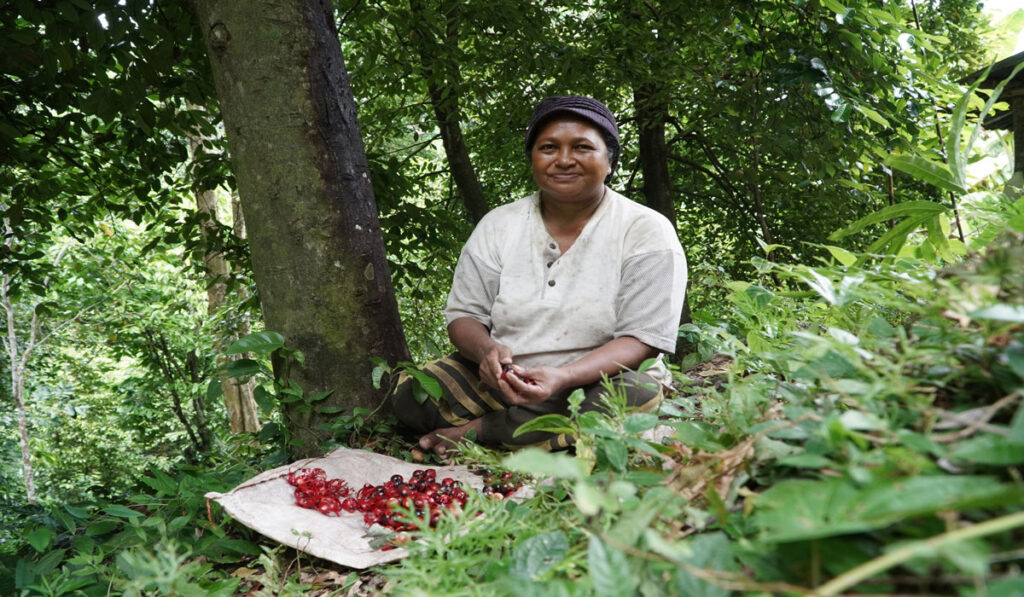
Behind every harvest is a community that has cared for the land for generations. KOBUMI is helping connect those communities to fairer markets so more of the value stays where it begins.
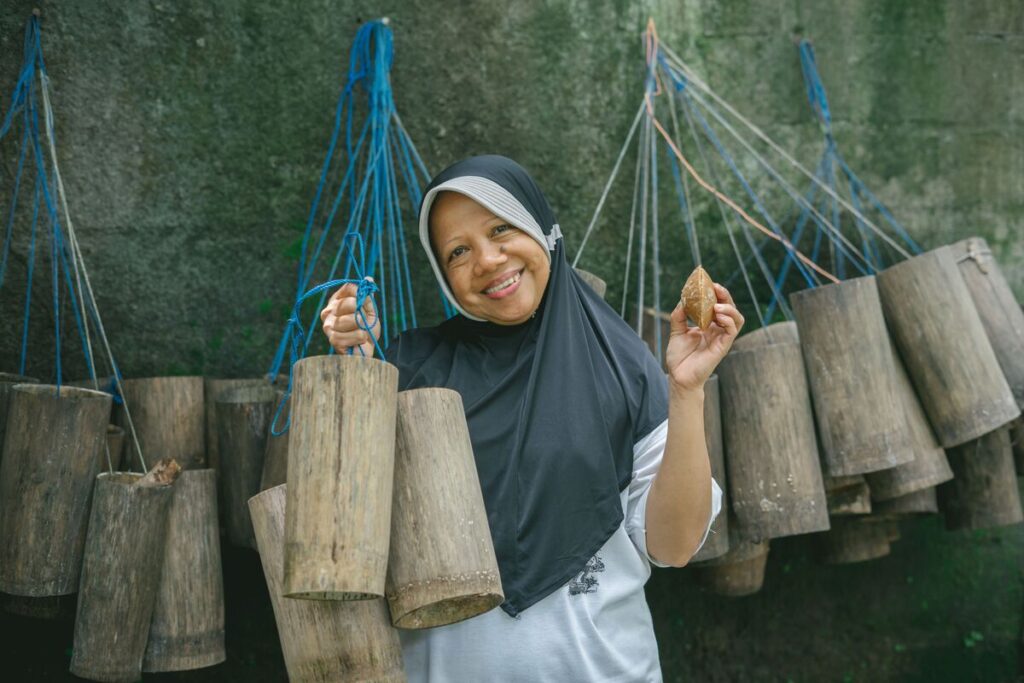
Eastern Indonesia is home to many high-value commodities, from Banda’s distinctive nutmeg to other local products with strong market potential. Yet for many farmers, producing valuable commodities does not always mean receiving fair returns. With limited access to market information, prices are often determined by middlemen, leaving farmers with little bargaining power over the products they have worked hard to grow.
This is the gap KOBUMI wants to close. As part of EcoNusa, KOBUMI believes that local communities should not only produce valuable commodities but also enjoy the value created from them.
The idea came from what the team witnessed while working closely with communities in Eastern Indonesia. They saw farmers growing commodities with great potential, yet struggling to sell them because they simply did not know the market. Each variety has its own market, but many farmers never had access to that information. Without knowing market prices, they had little room to negotiate.
“We realized the problem wasn’t the commodity—it was access to the market. Farmers didn’t know the market, so they had no bargaining power. That’s what encouraged us to build KOBUMI based on the principle of fair trade,” explained Etik Mei Wati, currently serving as the Director of KOBUMI.
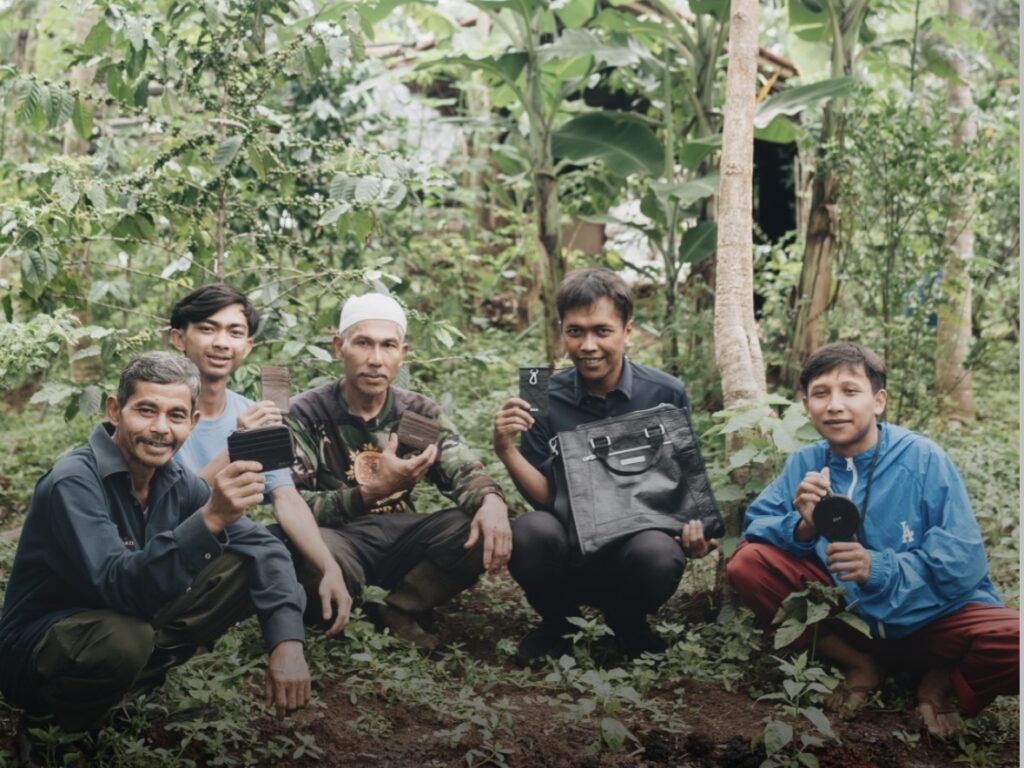
For KOBUMI, fair trade goes beyond paying a better price. It is about ensuring local communities benefit from the commodities they produce. That is why KOBUMI works with local cooperatives instead of simply buying directly from farmers. Through cooperatives, farmers make decisions together while also sharing the benefits earned from the business. As the cooperatives grow, those benefits can also support education, families, and other community needs. At the same time, KOBUMI continues to collaborate with Yayasan EcoNusa by supporting farmers in improving commodity quality and expanding market access.
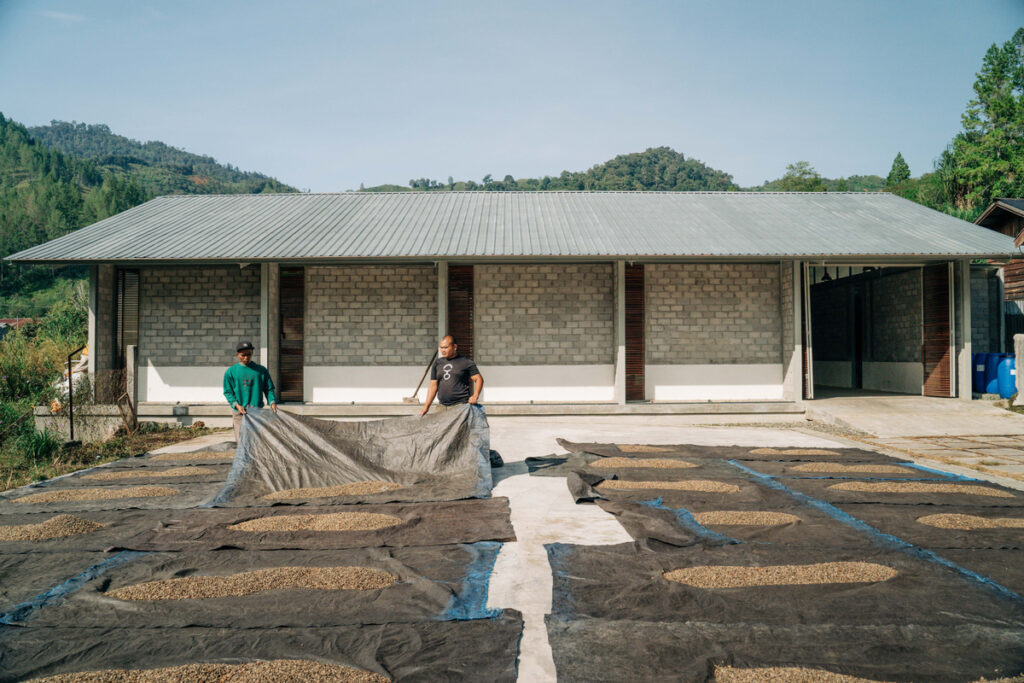
The impact becomes clear once farmers experience a more transparent way of trading. They can now see how their products are weighed, understand how quality is assessed, know the market prices, and receive feedback whenever improvements are needed. Rather than feeling uncertain, many farmers become more motivated to improve the quality of their harvest because they understand how better products create better opportunities. KOBUMI also purchases commodities at slightly higher prices, helping improve farmers’ incomes, especially for those living in remote areas.
“The biggest change is transparency. Farmers know exactly how much they sell, understand how their products are graded, and receive feedback to improve. Many of them are now motivated to produce better-quality commodities and continue selling to us,” Etik added.
One of the most memorable experiences for the KOBUMI team came from a female farmer. She shared that for years, she never truly knew how much nutmeg she had sold. She was not allowed to watch the weighing process and did not know how her nutmeg was graded. Her story reminds KOBUMI of a simple truth: when farmers can earn a better living from their land, they have every reason to keep caring for it. Instead of selling their land for oil palm plantations, they can continue investing in the farms that support their families.
Over time, that transparency grew into trust.
Even when payment transfers were once delayed because of logistics, the farmers continued working with KOBUMI. What stayed with the team was one simple remark from a farmer: “Working with KOBUMI was the first time we learned what honest trading looks like.”
Looking ahead, KOBUMI hopes to see more farming communities across Eastern Indonesia become stronger through fairer trade. By strengthening cooperatives, improving farmers’ capacity, and opening better market access, they believe communities can continue protecting the land they depend on while building better livelihoods from the commodities they have long cultivated.