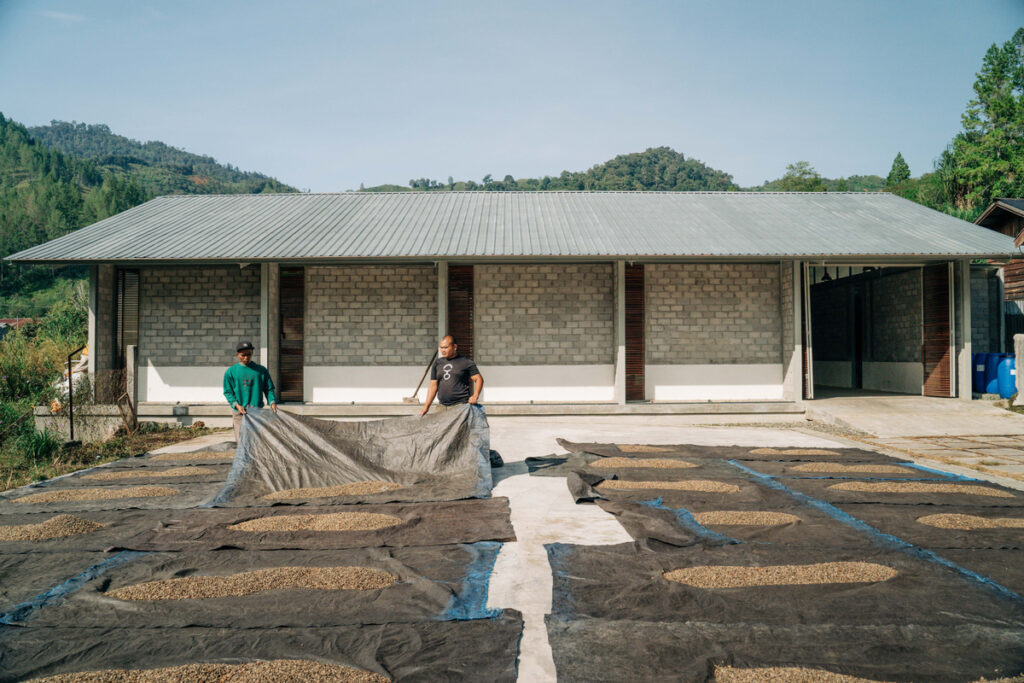
Coffee changes hands many times before it reaches someone’s cup. Farmers grow it, processors prepare it, traders move it, roasters develop its flavor, and cafes eventually serve it to customers.
However, a supply chain should be more than moving coffee from one place to another. It should also contribute to the livelihood of the people and the ecosystem where the coffee grows. This is what Adena Coffee describes as a meaningful supply chain.
Adena was founded by Hieronimus Abyatar, or Abi, as a community-based initiative connecting people, culture, and Indonesian coffee through responsible sourcing. It started in Kenawat, a village in Aceh known as a rebel stronghold during a conflict. However, when the conflict ended after the 2004 tsunami, the stigma stuck, making coffee buyers reluctant to source from the village.
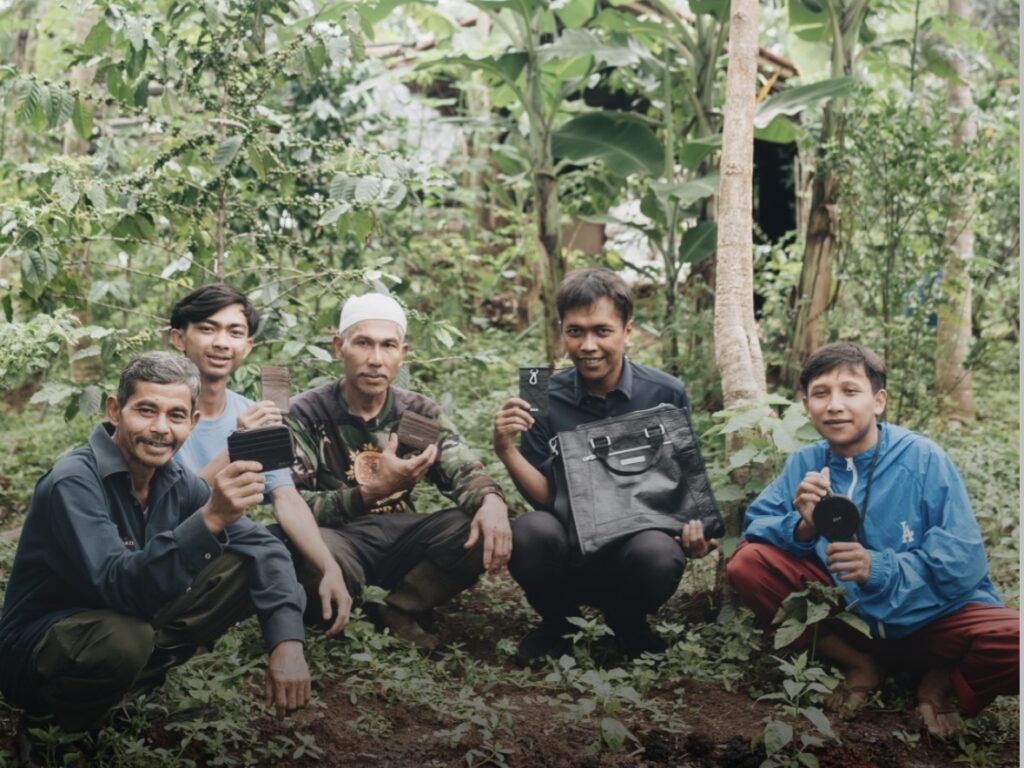
Working with local youth, Adena started to improve coffee processing and quality. Over time, Kenawat built a new reputation as a coffee origin. In the 2022/2023 season, its coffee reached the top 10 of the Cup of Excellence, the most prestigious competition in the world for specialty coffee.
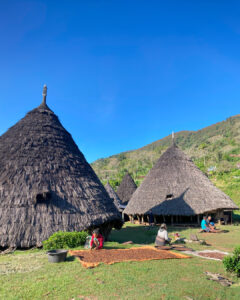
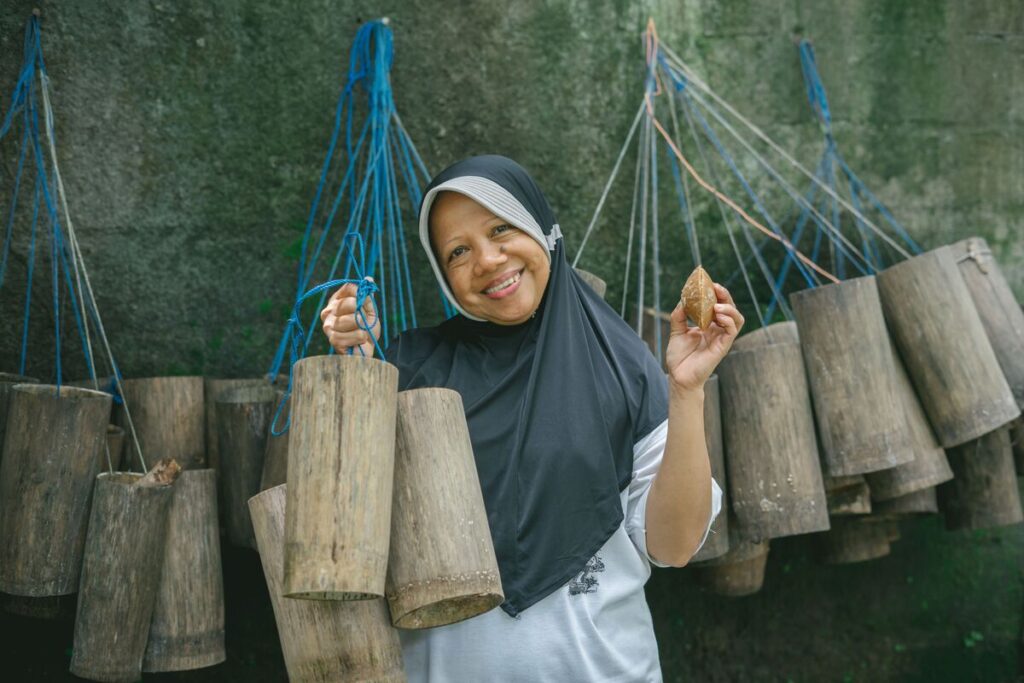
Since then, Adena has grown into a business working with farmers across multiple coffee origins, but its focus has always been building a supply chain that creates value beyond the coffee itself. “We don’t see coffee as just a commodity. We see it as a way to develop coffee-growing origins,” Abi explained.
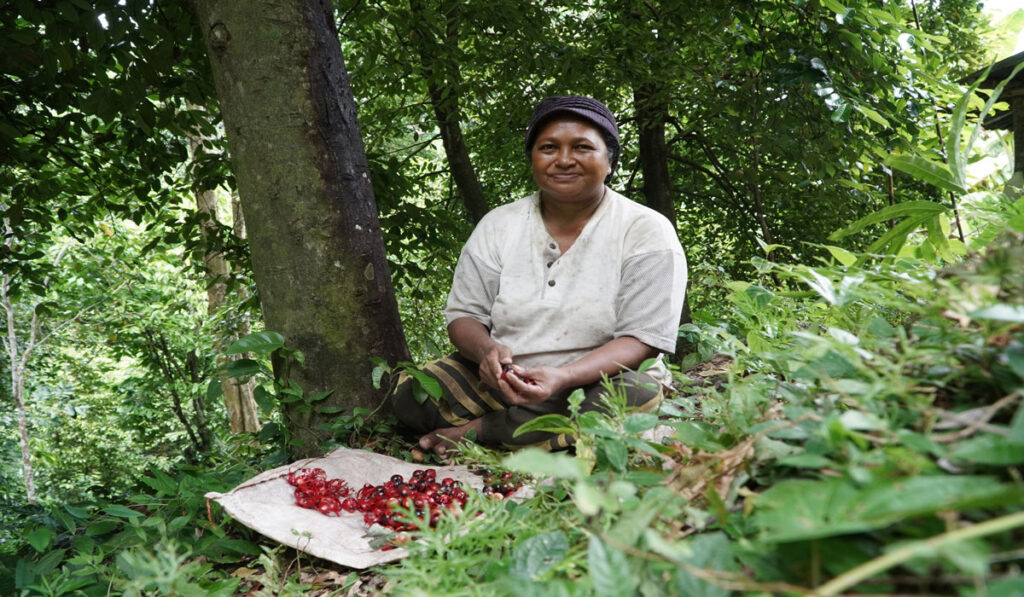
Today, Adena partners with farmers across several regions, provides training in Good Agricultural Practices (GAP), and is building a traceable supply chain that connects farmers, production, and buyers.
As the business grows, the challenge has changed from producing quality coffee to building solid systems behind it. In the Instellar & IKEA Social Entrepreneurship Accelerator (I-SEA) programme, with support from IKEA thought partners around the globe, Adena has been strengthening its documentation and traceability systems while preparing the business for future growth. By doing this, Adena wants to build a supply chain that doesn’t lose sight of the people and places behind it. It’s not just to meet the market expectation for transparency, but to also strengthen the relationships throughout the supply chain.
Every origin has its own communities and landscapes. Adena wants to build an ecosystem where they can grow together and not be left behind.