Rooted in the values of ikhtiar and tawakal, Al-Anbiyaa is reimagining the sarong for a new generation—making Indonesian cultural heritage feel both relevant and deeply personal.
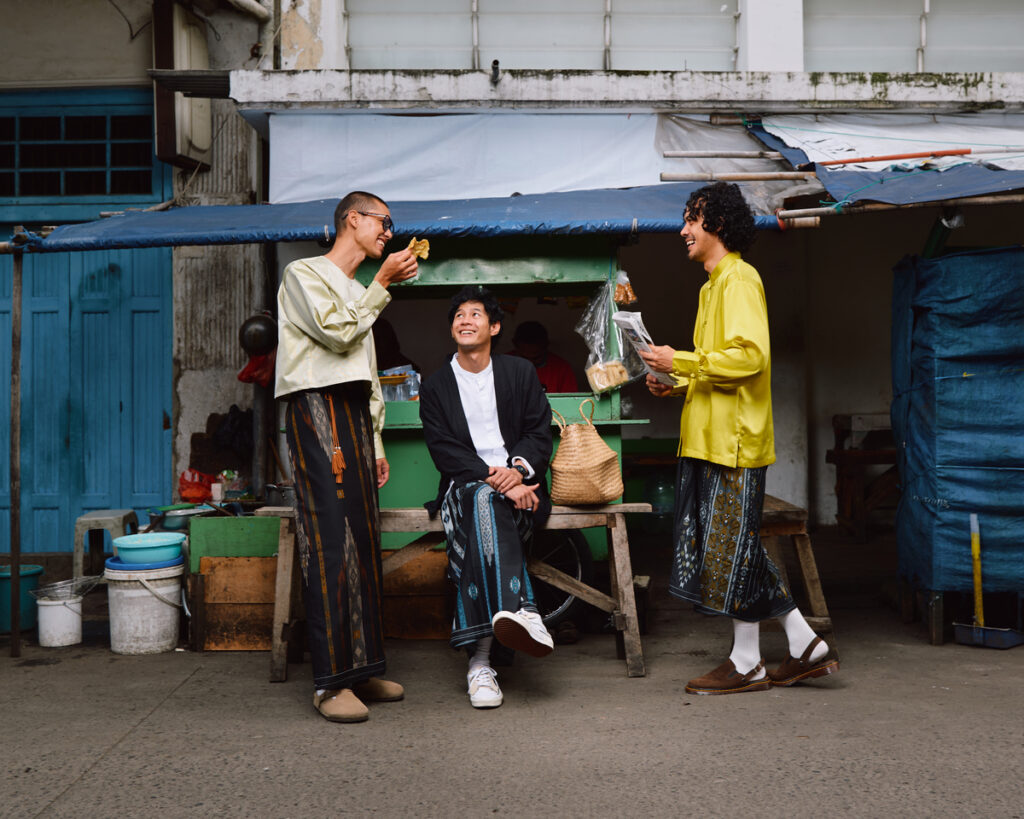
For many Indonesians, sarongs have long been associated with tradition, religious occasions, or older generations. While their cultural significance remains strong, Al-Anbiyaa’ saw an opportunity to present them in a way that feels more relevant for today’s audiences. Rather than changing what a sarong represents, the brand wants to redefine how people see and wear it.
The inspiration comes from the history behind the sarong itself. To Al-Anbiyaa’, a sarong is part of Indonesia’s identity and has accompanied the nation’s journey for centuries. The brand’s tagline, “Sarungnya Para Pejuang” (“The Sarong of Fighters”), reflects that belief. While past generations fought for independence, today’s struggles may look different: building a career, supporting a family, or pursuing financial stability. For Al-Anbiyaa, the spirit of perseverance continues, and the sarong remains a symbol of that journey.
“The struggle hasn’t ended. Today, people are still striving for their careers, their families, and their future. We want the sarong to continue representing that spirit.” explained James Come, the CEO of Al-Anbiyaa’.
Making cultural products more accessible is equally important. Rather than targeting luxury consumers, Al-Anbiyaa’ focuses on people who are building their careers, businesses, and families. The brand hopes each sarong becomes more than something people wear—it becomes a reminder that every journey is shaped by ikhtiar (doing one’s best) and tawakal (placing trust in God), values that remain at the heart of everything they create.
To make that message resonate with younger audiences, Al-Anbiyaa’ knows the sarong must be presented in a way that feels relevant today. The brand embraces a more modern and edgy visual identity, particularly on social media, while staying true to Indonesian cultural values and Islamic principles. Before launching new collections, the team studies what resonates with its audience to ensure every design feels both familiar and relevant. “We want people to see the sarong as something that stays with them through every stage of their journey,” added James.
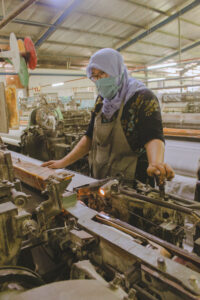
As Al-Anbiyaa’ continues to grow, the team has come to see that their work is about far more than selling sarongs. Through visits to traditional markets, they witnessed firsthand how many distributors, resellers, and market sellers rely on the business for their livelihoods. That experience changed the way they see growth. For Al-Anbiyaa’, every new opportunity is not simply a sign of success, it is a reminder that more people are counting on them, and with that comes an even greater responsibility to create opportunities for others.
Looking ahead, Al-Anbiyaa’ hopes younger generations will continue to see Indonesian cultural products with pride, recognizing that local traditions do not need to compete with other cultures to remain meaningful. By staying rooted in their heritage while evolving with the times, Al-Anbiyaa’ believes that sarong can continue connecting generations for years to come. “We dream of a future where sarongs are embraced as part of everyday Indonesian identity—something people wear with pride, not only for prayers, but as part of everyday life, even during special occasions,” James ended.